Source Welded Neck Carbon Steel Flange for Piping, Pressure, and Industrial Use
Find and compare 30 welded neck carbon steel flange options from Chinese manufacturers. Evaluate specifications including ANSI, DIN, and JIS standards, sealing surfaces like RF and FM, and customization capabilities for various industrial piping applications.
Key considerations
Products List




Comprehensive Sourcing Guide
Welded Neck Carbon Steel Flange Sourcing Guide
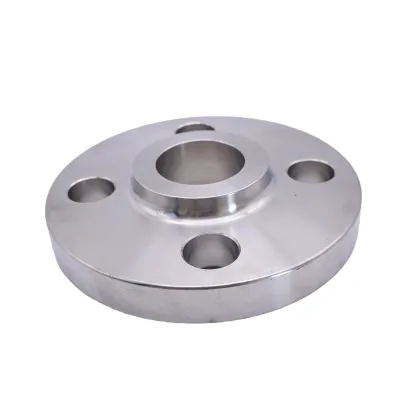
Sourcing welded neck carbon steel flanges requires a disciplined approach to aligning material properties with specific piping system demands. These components are critical for high-pressure and high-temperature applications where structural integrity is paramount, serving as the primary connection point between pipes, valves, and equipment. The welded neck design offers superior stress distribution compared to slip-on or blind flanges, making it the preferred choice for severe service conditions in industries such as oil and gas, petrochemical processing, and power generation. Buyers must recognize that the "welded neck" designation implies a specific geometry where the flange neck is integrally forged or welded to the pipe, ensuring a smooth transition of stress and minimizing fatigue failure risks.
The procurement landscape for these components is characterized by a wide variance in manufacturing capabilities and standard compliance. While the core material is consistently identified as carbon steel, the specific grade and heat treatment processes vary significantly between suppliers, directly impacting the flange's performance under load. Buyers should expect to encounter a broad spectrum of product listings, ranging from standard commercial grades to custom-engineered solutions tailored to unique project specifications. Understanding the distinction between generic carbon steel flanges and those manufactured to rigorous international standards is essential for ensuring that the purchased components will perform reliably in their intended operational environment without premature failure or leakage.
Product Scope and Observed Listing Signals
When evaluating product listings, buyers will observe a diverse range of flange types and configurations, including Weld Neck Flanges, Threaded Connection Flanges, and general Flange Plates. The observed data indicates that manufacturers offer customization for dimensions, with size specifications often listed as "as Per Your Requirement" or covering a vast range from 1/2 inch to 120 inches (DN40-DN3000). This flexibility allows for the procurement of flanges that fit non-standard piping layouts, but it also necessitates rigorous verification of the provided drawings to ensure the final product matches the engineering design exactly. The presence of various sealing surface types, such as Raised Face (RF), Flat Face (FF), and FM, further complicates the selection process, requiring buyers to match the flange face to the mating gasket and flange type to prevent leakage.
Listing signals also reveal significant variation in manufacturing methods and packaging standards. While many suppliers utilize forging as the primary manufacturing way to enhance grain structure and strength, others may offer different production techniques depending on the order volume and specific requirements. Packaging is equally critical, with options ranging from Plywood Cases and Wooden Cases to Bundles and Small Packages, each offering different levels of protection during transit. Buyers must carefully review the packaging specifications to ensure that the flanges will arrive without surface damage or corrosion, particularly when shipping internationally via air or sea freight. The availability of samples and OEM services suggests that suppliers are willing to engage in the early stages of the procurement process, but these services should be leveraged to validate quality before committing to large-scale orders.
Technical Specifications to Verify
The technical verification process must begin with the confirmation of material composition and mechanical properties. Although the core keyword specifies carbon steel, the actual material grade must be explicitly defined in the purchase order, as different grades offer varying levels of tensile strength and corrosion resistance. Buyers should verify that the material certification aligns with the required standard, whether it be GB, DIN, ANSI, JIS, or GOST, as these standards dictate the chemical and physical limits of the steel. Additionally, the manufacturing process, specifically forging, should be confirmed to ensure the flange possesses the necessary grain flow and structural integrity for high-pressure applications. The machining tolerance, often cited as up to +/- 0.1mm according to customer drawings, is another critical parameter that must be strictly enforced to ensure proper fit-up and alignment during installation.
Pressure rating and sealing surface geometry are equally vital technical specifications that require immediate attention. The observed data lists pressure classes such as Pn6, Pn10, Pn16, Pn25, and Pn40, which correspond to specific pressure-temperature ratings defined by various international standards. Buyers must ensure that the selected pressure class matches the design requirements of the piping system to prevent catastrophic failure under operating conditions. Furthermore, the sealing surface type, whether Raised Face (RF), Flat Face (FF), or FM, must be compatible with the gasket material and the mating flange face. A mismatch in sealing surfaces can lead to gasket extrusion or uneven bolt loading, resulting in leaks. Verification of the flange's outer diameter (OD) and bore size, often subject to customization, is also essential to guarantee compatibility with existing piping components.
Compliance and Safety Documentation
Compliance with international standards is a non-negotiable aspect of sourcing welded neck carbon steel flanges, as these components are integral to the safety of pressurized systems. The observed listings reference a wide array of standards, including ANSI, API, MSS, JIS/KS, DIN, GOST, and BSW, each governing different aspects of flange design, manufacturing, and testing. Buyers must demand that the supplier provides documentation proving that the flanges conform to the specific standard cited in the purchase order. This documentation typically includes a Mill Test Certificate (MTC) or a Certificate of Conformity, which verifies that the material composition and mechanical properties meet the required specifications. Without this documentation, the flanges cannot be legally or safely installed in many industrial facilities, particularly in regulated sectors like oil and gas.
Safety documentation also extends to the verification of manufacturing processes and quality control measures. While specific certifications like ISO 9001:2008 or EN 10204 are mentioned in background contexts, buyers should not assume their presence without explicit confirmation from the supplier. Instead, the focus should be on obtaining the specific test reports and inspection records that validate the flange's performance. These documents should detail the results of non-destructive testing (NDT), such as ultrasonic testing or magnetic particle inspection, which are crucial for detecting internal defects that could compromise the flange's integrity. Additionally, buyers should verify that the supplier adheres to the relevant safety standards for the specific application, ensuring that the flanges are suitable for the intended pressure and temperature conditions.
Cost Drivers and Commercial Terms
The cost of welded neck carbon steel flanges is influenced by several key drivers, including material prices, manufacturing complexity, and the level of customization required. Carbon steel prices fluctuate based on global market conditions, and the forging process adds significant value compared to casting or machining from bar stock. Customization of dimensions, pressure ratings, and sealing surfaces can further increase costs, as these requirements often necessitate specialized tooling and additional machining time. Buyers should be aware that the "low factory price" advantage mentioned in some listings may come with trade-offs in quality or lead time, and it is essential to balance cost considerations with the need for reliable, high-quality components. The observed price range of $0.5 to $1000 USD reflects the vast diversity in flange sizes and specifications, from small, standard components to large, custom-engineered units.
Commercial terms and logistics play a significant role in the total cost of ownership and must be carefully negotiated. The observed data indicates that suppliers offer various trade terms, including FOB, CIF, CFR, and EXW, each affecting the buyer's responsibility for shipping, insurance, and customs clearance. Buyers should select the term that best aligns with their logistics capabilities and risk tolerance, understanding that FOB terms place the responsibility for freight and insurance on the buyer once the goods leave the supplier's facility. Delivery times are also a critical factor, with some suppliers citing a standard 15-day lead time while others state that delivery depends on the situation. Buyers must clarify these timelines early in the negotiation process to avoid project delays, especially when dealing with custom orders that may require extended production schedules.
Supplier Qualification and Quality Control
Qualifying a supplier for welded neck carbon steel flanges requires a thorough assessment of their manufacturing capabilities and quality control systems. Buyers should verify that the supplier has a proven track record of producing flanges to the required standards, such as ANSI, DIN, or JIS, and that they possess the necessary equipment for forging and machining. The ability to provide samples is a positive indicator of a supplier's confidence in their product, allowing buyers to physically inspect the flanges for dimensional accuracy, surface finish, and material quality before placing a large order. Additionally, the acceptance of OEM services suggests that the supplier is capable of adapting their production processes to meet specific customer requirements, which is essential for projects with unique specifications.
Quality control measures must be rigorously enforced throughout the production process to ensure that the flanges meet the required standards. Buyers should request a detailed quality control plan that outlines the inspection points, testing methods, and acceptance criteria used by the supplier. This plan should include checks for material composition, dimensional accuracy, and surface finish, as well as non-destructive testing to detect any internal defects. The supplier's ability to provide a Mill Test Certificate (MTC) or similar documentation is a critical component of this quality assurance process, as it provides traceability and verification of the material properties. Buyers should also consider conducting third-party inspections at the supplier's facility to ensure that the quality control measures are being implemented correctly and that the final product meets all specified requirements.
Long-Term Procurement Checks
Establishing a long-term procurement relationship for welded neck carbon steel flanges requires ongoing monitoring of supplier performance and product quality. Buyers should implement a system for tracking key performance indicators, such as on-time delivery, defect rates, and responsiveness to quality issues. Regular audits of the supplier's manufacturing processes and quality control systems can help identify potential problems before they impact the supply chain. Additionally, buyers should maintain open communication with the supplier to stay informed about any changes in material availability, production capacity, or regulatory requirements that could affect the supply of flanges. This proactive approach ensures that the procurement process remains efficient and that the supply chain remains resilient to external disruptions.
Continuous improvement and adaptation are essential for maintaining a successful long-term procurement strategy. Buyers should regularly review their specifications and requirements to ensure they remain aligned with industry standards and operational needs. As technology and materials evolve, there may be opportunities to optimize the flange design or switch to alternative materials that offer better performance or cost efficiency. Furthermore, buyers should foster a collaborative relationship with their suppliers, encouraging them to share insights and innovations that could benefit both parties. By maintaining a focus on quality, reliability, and continuous improvement, buyers can ensure a steady supply of high-quality welded neck carbon steel flanges that meet the demanding requirements of their piping systems.
FAQs
What materials are used for welded neck flanges?
Welded neck flanges are commonly manufactured from carbon steel and stainless steel. These materials provide the necessary strength and corrosion resistance for industrial piping systems. The choice between carbon steel and stainless steel depends on the specific application requirements and environmental conditions.
Which standards apply to welding flanges?
Welding flanges adhere to multiple international standards including ANSI, DIN, JIS, GB, GOST, and BSW. These standards define dimensions, pressure ratings, and testing requirements. Manufacturers often produce flanges compliant with specific standards based on customer drawings or project specifications to ensure global compatibility.
Can you provide samples of welding flanges?
Samples are available for welding flanges to help buyers verify quality and specifications before placing large orders. This allows for practical assessment of the product's sealing surface, such as RF or FM finishes, and ensures the flange meets the required tolerance and structural integrity for your specific piping needs.
What is the typical delivery time for flanges?
Delivery time depends on the situation, order volume, and customization requirements. While some standard items may have a delivery date of around 15 days, complex orders or those requiring specific machining tolerances up to +/- 0.1mm may take longer. Buyers should confirm lead times with suppliers based on their specific requirements.
How are welding flanges packaged for export?
Welding flanges are typically packaged in plywood cases, wooden cases, or bundles to ensure safe transport. Small packages may also be used for smaller quantities. This robust packaging protects the flanges from damage during air or sea freight, ensuring they arrive in good condition regardless of the export destination.
What pressure ratings are available for flange plates?
Flange plates are available in various pressure ratings including Pn6, Pn10, Pn16, Pn25, and Pn40. These ratings indicate the maximum pressure the flange can withstand. Buyers should select the appropriate pressure class based on their system's operating conditions to ensure safety and reliability in industrial applications.